
Merchandisers
90 to 120
Weeks
8
Picking and placing
Stock

One of the world’s largest food retailers employing over 500,000 people and serving millions of customers every week in Asia, America and Europe, including Great Britain and Northern Ireland required the support of RGIS. The supermarket chain is the largest food retailer in Ireland, with a proud record of investment and job creation, and employ 9,000 colleagues across over 170 stores.
THE CHALLENGE
The supermarket chain needed a solution to support stores with in store deliveries due to increased sales during lockdown periods.
The supermarket chain required RGIS to provide the following:
- Store support over eight weeks
- RGIS store support staff to adhere to the customer’s strict merchandising rules
- Receive and process in store deliveries
- Work closely with in-house teams
Recent Case Studies
Why RGIS?
Customers choose RGIS for store merchandising support because our skilled teams execute planograms, product placement, and resets accurately and efficiently, ensuring stores remain compliant, visually appealing, and optimised for sales performance.

Our Solutions
The supermarket chain partnered with RGIS to complete the merchandising store support project, and provided the following:
Teams of 90 to 120 experienced RGIS merchandisers scheduled every day over eight weeks
All RGIS merchandises were trained in the customer’s strict merchandising rules and processes
Unpacked deliveries arriving at store
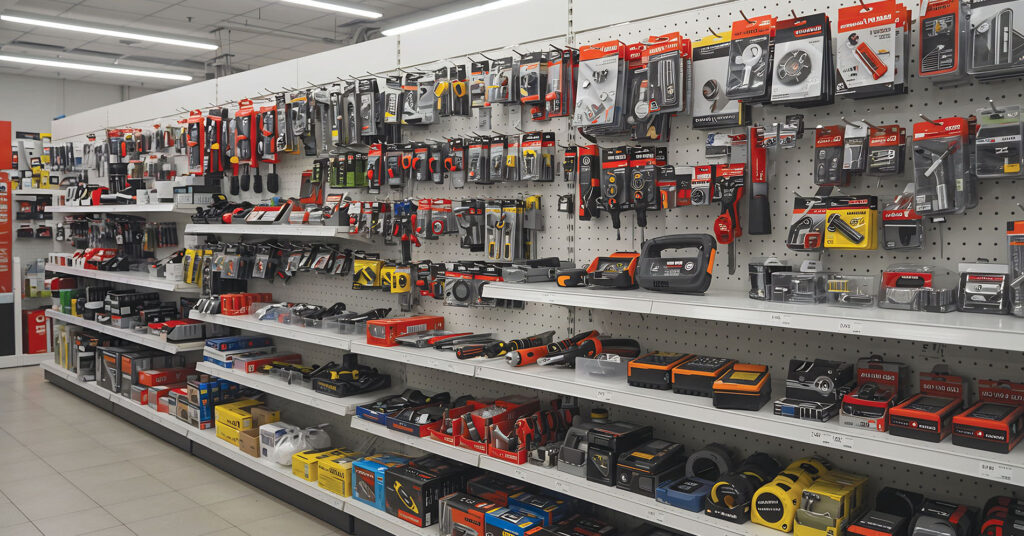
Picking stock to go onto shop floor
Placing stock on relevant shelves in store
Results
The supermarket chain found by outsourcing the merchandising store support project to RGIS, the following results were achieved:
Deliveries were correctly unpacked and picked efficiently at store
Stock was able to be replenished on shelves
Gaps on shelves were reduced which meant customers could find the items they required quickly

Conclusion
By outsourcing merchandising store support to RGIS, the supermarket chain ensured deliveries were unpacked and picked efficiently, shelves were fully replenished, and gaps were reduced—resulting in a smoother shopping experience where customers could quickly find the products they needed.